
OnlyFans spending is easy to start and easy to lose track of, which is why quarterly budget calibration matters. A page that felt inexpensive in January can become a fixed monthly cost by March. This guide shows you how to review, measure, and reset your spending every three months so the total stays predictable. BestOnlyFans refreshes its rankings every month.
The method is simple: track what you actually pay, compare it against what you intended to pay, and adjust at fixed intervals. Three months is long enough to reveal a habit and short enough to correct one before it becomes permanent.

Why OnlyFans Spending Drifts Without Quarterly Reviews
Subscription spending rarely jumps. It creeps. One page at $4.99 becomes three pages at $4.99, then a PPV unlock here and a tip there, and the monthly total has doubled without a single deliberate decision.
Ninety days is the danger window. It is long enough for promotional first months to expire, short enough that most subscribers never open a statement in between.
Free pages make this worse. A page priced at $0 feels costless, but free pages earn through pay-per-view messages and tips, and those charges do not appear as a subscription line at all.
- Stacked free-page PPV purchases that never trigger a subscription alert
- Promotional first months expiring at $3 and reverting to the standard base rate
- Custom content requests escalating from occasional to routine
- Tip frequency rising after a creator posts a milestone or goal
- Currency conversion differences adding small, invisible amounts to every charge
Each item above is small. Together they explain why a budget that looked reasonable in month one looks unfamiliar in month four. The platform fee does not change this picture: creators keep 80% of what you pay, and the 20% platform share is deducted before the creator sees anything.
Warning: the price you agreed to is fixed for the current billing period only. When a creator raises their base rate, auto-renew stops and you keep access until the paid period ends. Do not assume your current rate carries forward.
Reading Your First-Quarter Spending Pattern
Most subscribers fall into one of four patterns during their first ninety days, and each pattern needs a different correction.
- The single-page loyalist: one subscription, steady renewals, low PPV activity.
- The free-page browser: several $0 subscriptions with accumulating PPV unlocks.
- The niche-hopper: short subscriptions across many pages, rarely renewing past one cycle.
- The bundle buyer: two or three paid pages at once, often with overlapping content.
The browser often has the highest hidden total, because PPV messages unlock up to $50 per item and nothing about a free page signals an upcoming charge.
The niche-hopper pays the most per unit of content, since single-month subscriptions rarely benefit from any discount. The bundle buyer pays the most in absolute terms and is the most likely to be paying twice for the same material.

Write one number for each month of the quarter: total charged, not total subscribed. That single figure exposes promotional expirations immediately, because a $3 first month followed by a $9.99 renewal shows up as a jump, not a line item.
Responding to Creator Price Changes Mid-Cycle
Treat every one as a decision point rather than an update.
Your existing access simply runs to the end of the period you already paid for, then stops unless you actively resubscribe.
That gap is useful. It gives you a natural re-evaluation window instead of an automatic renewal you never questioned.
- Verify the new rate against the platform range of $4.99 to $49.99 and confirm it is the base price, not a promotional figure.
- Check your renewal date so you know exactly when access ends.
- Assess whether posting frequency or content volume changed alongside the price.
- Compare alternatives before resubscribing, since there is no built-in discovery feed to browse casually.
- Set a calendar reminder a few days before access ends, so the decision is deliberate.
Promotional pricing complicates this. A first month at $3 is legitimate, but the base price cannot sit below $4.99, so any offer below that threshold is temporary by definition.
Building Calibration Checkpoints Into Your Calendar
Choose a timing anchor now and repeat it for the rest of the year.
- Align with tax quarters: January, April, July, and October.
- Offset from major billing dates so renewal charges have already posted and appear on statements.
- Pair with your credit card statement cycle so one document contains the whole period.
- Sync with your income pattern if you are paid irregularly, so reviews happen when money decisions are already being made.
The task is short, and the main cost of skipping it is that drift compounds for another ninety days.

Tools and Methods for Quarterly Spending Analysis
You do not need specialised software. Most subscribers can complete a quarterly review with a bank statement and a spreadsheet, and the method matters less than the consistency.
The subscriber base expanded sharply after 2020, and that growth explains why the number of pages competing for your budget keeps rising while your available spend does not.

| Method | Time Required | Best For |
|---|---|---|
| Manual spreadsheet tracking | 20-30 minutes per quarter | Subscribers with 2-4 subscriptions who want full control |
| Bank app categorisation | 10 minutes per quarter | Anyone who wants an automatic running total |
| Dedicated budgeting app | 15 minutes to configure once | Households tracking several subscription services together |
| Ranking site cross-referencing | 15-20 minutes per quarter | Verifying whether a subscribed page still matches its original value |
Ranking sites exist because the platform has no built-in discovery feed or directory, so subscribers rely on external comparisons to judge whether a page is still worth its current rate. BestOnlyFans is one example of a ranking methodology that aggregates this kind of comparison data, and it is useful precisely because the platform itself provides no equivalent tool.
The second half of the review is the harder question: does the page still deliver what you subscribed for? Check whether posting frequency held steady, whether the format changed, and whether your own interest has shifted. A page can be worth $9.99 in month one and worth $0 by month three without anything about the page changing at all.
If you are reviewing payment security alongside your spending, it is worth understanding how chargebacks and card protections work before you dispute a charge you simply forgot about. Knowing the difference between a billing error and an unwanted renewal prevents unnecessary disputes.
Adjusting Budget Tiers Based on Quarterly Data
Once the numbers are in front of you, pick one adjustment pathway and commit to it for the next quarter.
- Maintain your current tier if spending matched your target within a small margin.
- Shift to free-only pages with a fixed PPV cap if subscription stacking caused the overspend.
- Consolidate several subscriptions into one higher-tier page if you are paying twice for similar content.
- Pause all subscriptions for 30 days to reset the baseline and see what you actually miss.
- Set a fixed custom content budget if one-off requests drove the increase.
- Remove pages that no longer match your interests and let the budget fall naturally.
Each pathway has a measurable target. If you pause, your next quarter’s total should start near zero and climb only when you deliberately add something.
Paid chat deserves its own line. At a common rate of $3 to $5 per message, a weekly conversation can cost more than every subscription you hold.
Subscribers comparing platforms often check roundups such as best onlyfans australia to see how pricing and posting frequency differ across regions before committing to a long subscription run.

Long-Term Budget Stability Through Quarterly Habits
Quarterly calibration is not about cutting spending. It is about keeping the number visible often enough that you never face a surprise reconciliation at year end.
Those who review only annually usually discover a problem that has already run for ten months. Quarterly sits between those extremes.
| Review Frequency | Typical Outcome | Risk Level |
|---|---|---|
| Monthly | High accuracy, frequent effort, common fatigue | Low financial risk, high attention cost |
| Quarterly | Balanced accuracy with manageable effort | Low risk if reviews are actually completed |
| Bi-annual | Problems detected late, corrections are larger | Moderate risk of accumulated overspend |
| Annual | Full-year total arrives as a single shock | High risk of large unplanned spending |
By month five, most subscribers have stopped adding pages and stopped removing them, so spending settles at a level nobody chose. A review at month three catches that plateau before it becomes the default.

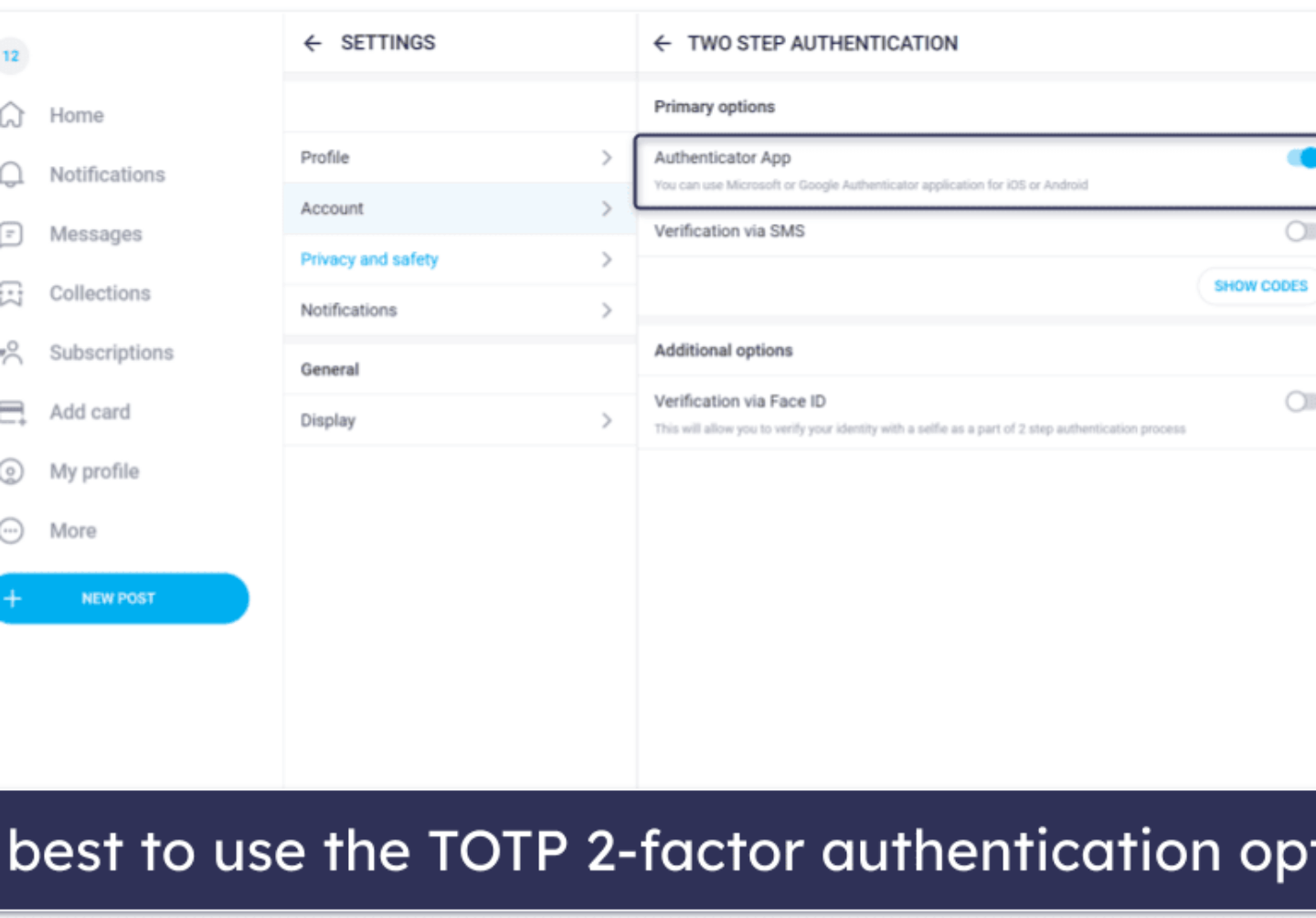
Account security belongs in the same routine. Turn on two-step authentication and review your saved payment methods during each quarterly session. An old card left on file is a billing problem waiting to happen, and a compromised account can generate charges you never authorised.
Four reviews a year, twenty minutes each, is roughly eighty minutes of attention annually. Subscribers who build the habit rarely need to make dramatic cuts, because small corrections every ninety days keep the total inside the target without any single painful decision.
The final step is to write the next review date before you close the spreadsheet.
FAQ
How do I know if my first-quarter spending pattern is sustainable?
If the increase came from deliberate additions you still value, the pattern is sustainable. If it came from promotional expirations, PPV accumulation, or forgotten renewals, it is drift rather than choice, and it needs correction before the next quarter.
What happens to my access when a creator raises prices mid-subscription?
Auto-renew stops when the price changes. You keep access until the end of the period you already paid for, then it ends unless you actively resubscribe at the new rate. Note the end date and treat it as a re-evaluation point rather than renewing by default.
Can I use BestOnlyFans ranking data to verify my current subscriptions still offer fair value?
Yes. Ranking sites exist because the platform has no discovery feed or directory, so they are the practical way to compare pages that are not already in your subscription list. Use the comparison to confirm whether a page still matches its rate, not as the only reason to subscribe or cancel.
How should I adjust my budget if I discover I’ve exceeded my quarterly target?
Pick one change, not several. Dropping the least-used subscription or setting a hard PPV cap usually closes a moderate gap on its own. If the overspend is large, pause everything for 30 days, rebuild the baseline from zero, and add pages back only when you notice their absence.